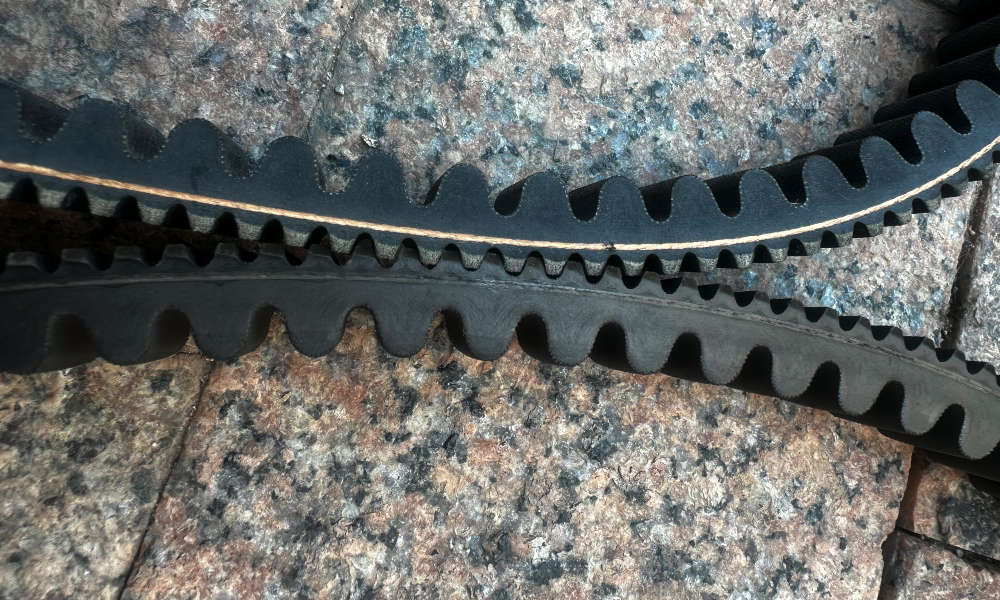
Piaggio Beverly 400 HPE Drive Belt: Why Width Isn't Everything
It's been a while since I bothered with a blog post. Having just changed the CVT drive belt on my Piaggio Beverly 400 HPE, I felt this bit of faff needed documenting.
The background. The 400 lives in Andalucia, Spain, it's my daily ride when I'm here. It's the Costa del Sol, the furthest point south in Spain, so it gets bloody hot. I have had the bike a little over a year and I do my own service work, most recently a full fluid change and dropping in a new set of Dr. Pulley sliders.
One of the things I wondered about during that service was the condition of the belt. Piaggio, in all their infinite wisdom, don't give you the width of a new belt. Width is usually the metric you use to decide if a belt is fit for the bin. Because of this omission, I was a bit lost. I could measure the old one, but I had nothing to compare it against, and the stock width is seemingly a state secret not found anywhere online. The bike only has 12,000 km on the clock, but they are hot kms. Piaggio recommend a belt change at 20,000 km. I decided to err on the side of caution and buy a new one anyway.
The teardown. I pulled the CVT apart and had a good look at the old belt next to the new one.
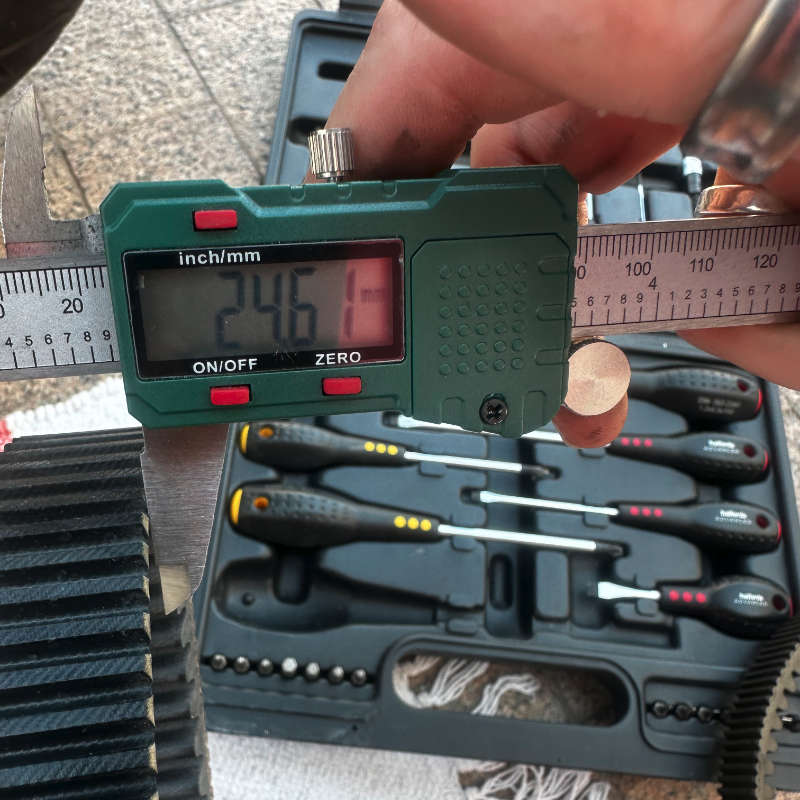 The new belt; 24.61mm
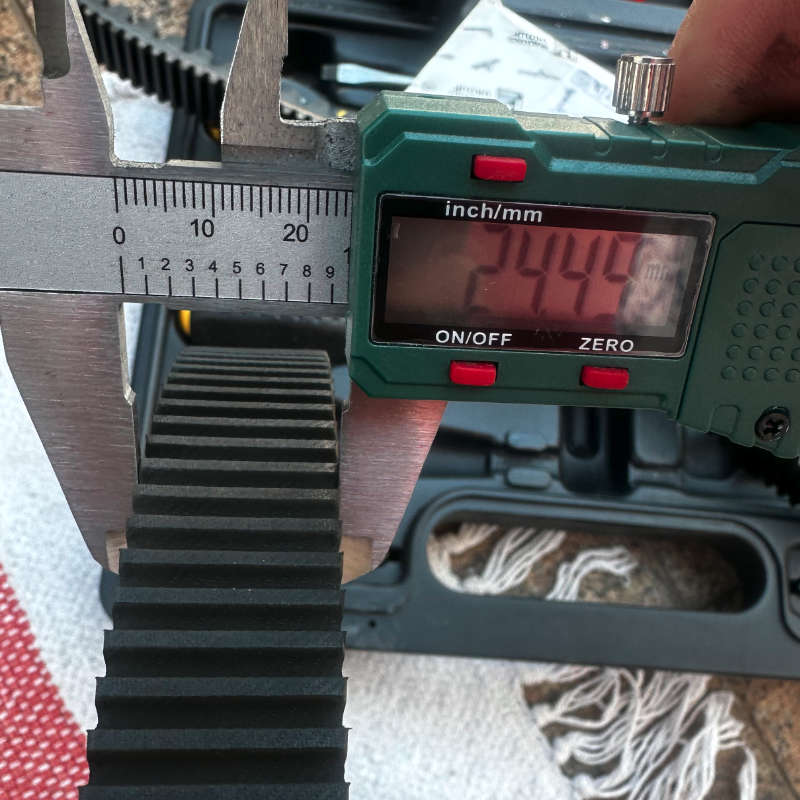 The old belt; 24.49mm
The new belt measured up at exactly 24.61mm. The old one was 24.49mm. In other words, there was basically zero wear. Yes, I am using some cheap Parkside verniers from Lidl, which I suspect are about as accurate as a blind darts player. But, for this job, absolute accuracy does not matter, just the difference between the two numbers.
The difference was tiny. I was genuinely disappointed. The old belt was hardly worn on the face of it, and I reckoned I might not even bother changing it. Then I stopped being daft and looked a bit closer.
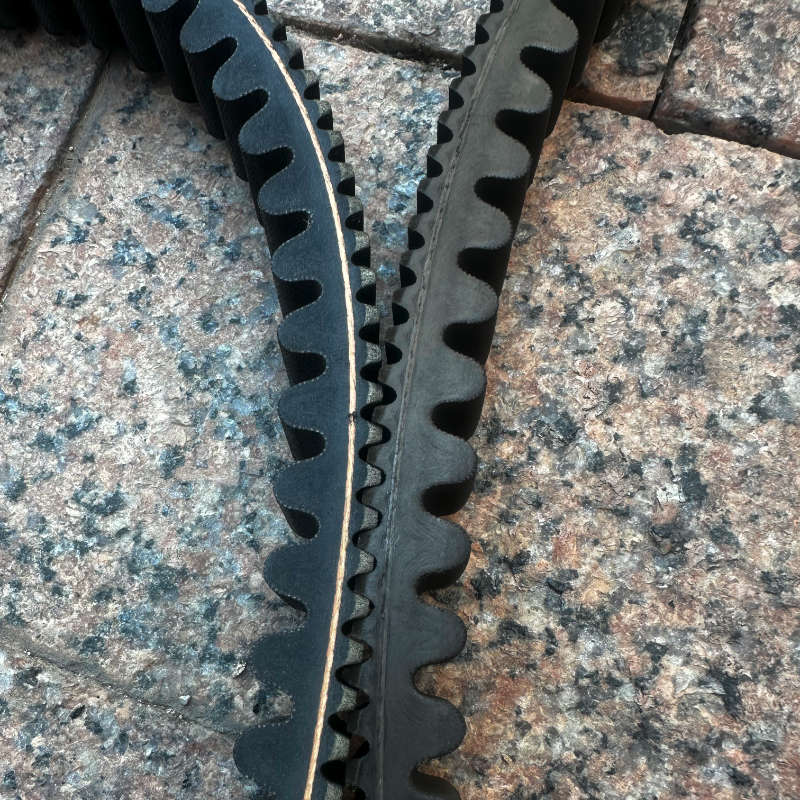 New belt on the left, old one on the right.
Sure, the width was basically the same, but putting the two belts side by side revealed a massive visual difference. The new belt was a lovely matt colour, with proper rough edges and crisp, squared corners. The old one was completely glazed, smooth on the sides, and rounded off at the corners. Maybe measuring just the width is a load of bollox.
I grabbed the Lidl verniers again and measured the depth. This is where the truth came out.
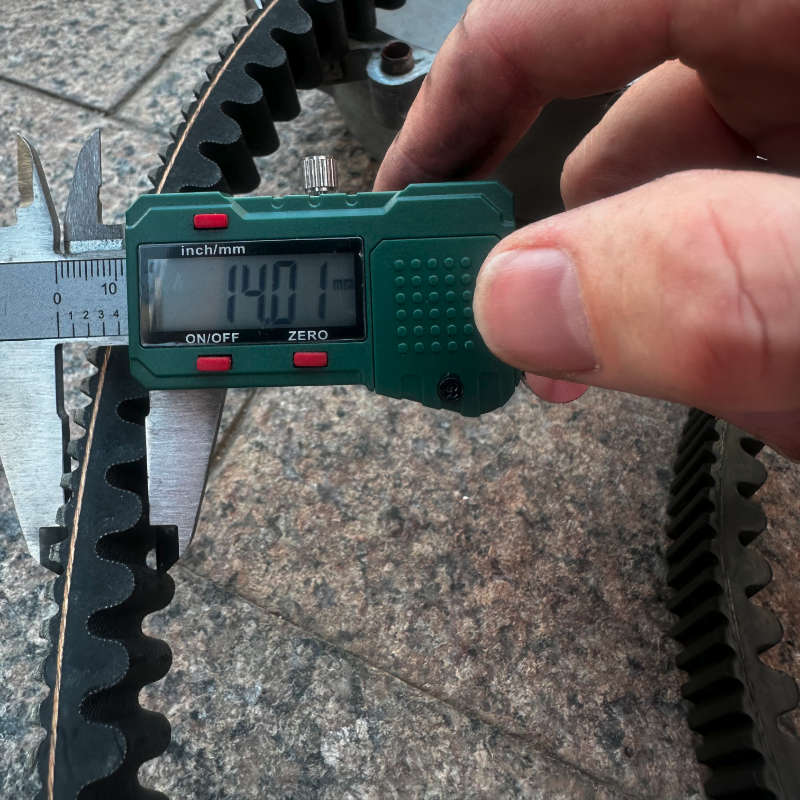 New belt depth; 14.01mm
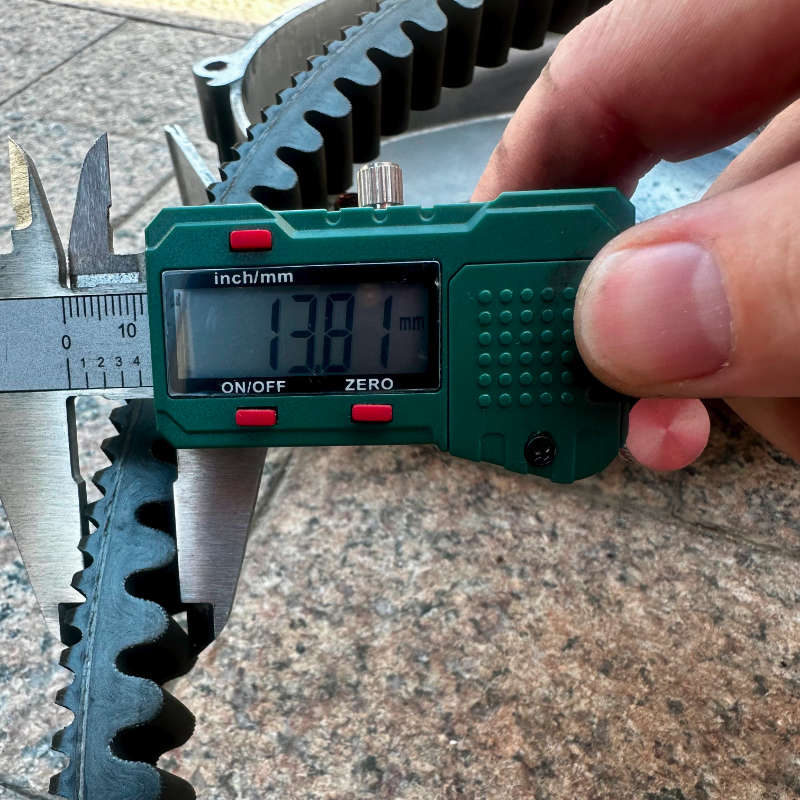 Old belt depth; 13.81mm
The new belt is a very healthy 14.01mm deep. The old one? 13.81mm. Okay, 0.20mm might not sound like much, but in the context of a scooter drive belt, that is a huge loss of material.
Conclusion: The old belt was knackered. It probably had a few thousand kms left before it really started to show its age, but it would have been a miserable ride. That old, glazed belt was slipping and sliding all over the variator and driven pulley faces, ruining the initial engagement and completely blunting the top-end performance.
I cracked on, dropped the new belt in, and gave the rest of the CVT bits a quick clean (though it needed very little faffing about).
The first ride out was a massive improvement. The take-up from a standstill is now miles smoother and way more refined. Acceleration is immediate. You twist the throttle, the drive engages without hesitation, and you just go. It feels completely different, much more like a new Beverly 400 I tried a few months back (just out of curiosity).
So there you have it. If you are checking your CVT belt for wear, don't get obsessed with just the width. Check the depth and look for glazing. It is highly likely your belt is exactly the right width, but still glazed to bollox and in desperate need of the bin. Cheers.